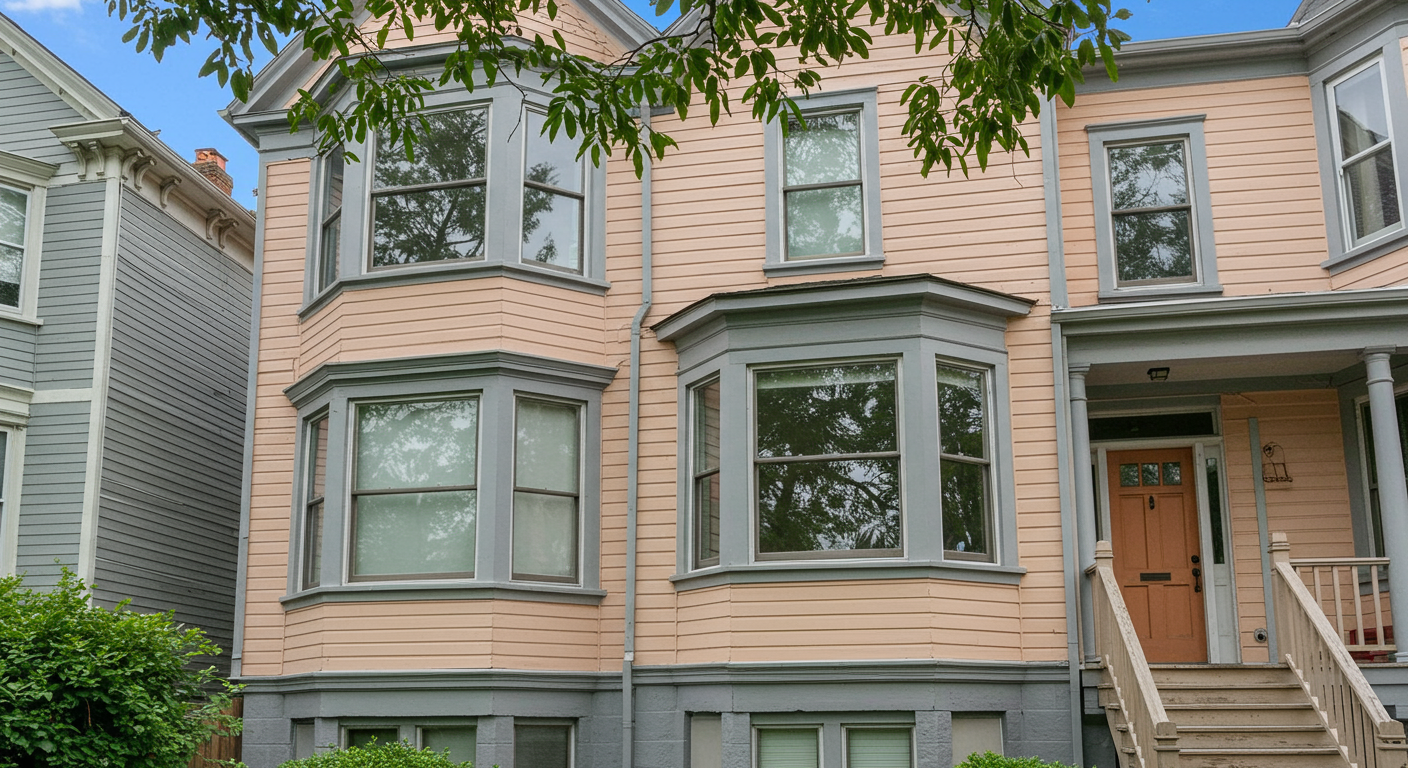
When a San Francisco Property Ends Up in Court Receivership: The Story of 232–234 Downey Street
Most real estate sales begin with a homeowner deciding it is time to sell.
The sale of 232–234 Downey Street in San Francisco was very different.
By the time I became involved as the real estate agent representing the court receivership, this two-unit property had become the subject of years of neighborhood complaints, building violations, unpermitted construction and legal action.
It is one of the more unusual San Francisco real estate transactions I have handled — and a powerful example of what can happen when property rights, building codes, neighborhood safety and the courts collide.
Years of Unpermitted Work and Neighborhood Complaints
The problems at Downey Street did not happen overnight.
Over a period of approximately five years, the owner repeatedly performed work on the property without the necessary permits. Among the most serious issues was excavation beneath the building in an effort to create additional usable lower-level space and parking.
The concern was no longer simply whether someone had remodeled without a permit.
The excavation and construction had the potential to compromise the structural integrity of the property and affect neighboring foundations.
In a dense San Francisco neighborhood, that distinction matters enormously. Your property may belong to you, but work performed on it can affect the safety and structural stability of the buildings surrounding it.
Complaints, violations and enforcement actions accumulated. Yet the work and problems continued.
Eventually, a neighboring property owner took legal action.
When a Real Estate Problem Becomes a Court Problem
The dispute ultimately resulted in a Health & Safety Receivership.
A court receiver is a neutral third party appointed by a judge to take control of a property when extraordinary circumstances require someone other than the owner to protect, preserve or manage the asset.
In distressed-property cases, a receiver may be given authority to secure a building, address dangerous conditions, coordinate repairs or code compliance, manage expenses and, when authorized by the court, facilitate the sale of the property.
The important distinction is that the receiver does not simply step in and become the new owner.
The receiver acts under authority granted by the court.
At Downey Street, the court's intervention fundamentally changed what happened next.
What We Found at 232–234 Downey Street
When I was brought in to represent the receivership in the sale, this wasn't a conventional fixer-upper.
The property was essentially gutted.
There were roof leaks.
Plumbing and sewage lines were exposed.
There was significant evidence of rodents, including areas where rats had chewed through portions of walls and visible claw marks showing where they had traveled in and out of the structure.
An unstable staircase had been constructed at the rear of the building, creating another serious safety concern.
Vegetation and ivy had overtaken much of the back of the property and had actually begun growing into portions of the building.
This was no longer about dated kitchens, old bathrooms or deferred cosmetic maintenance.
The property had become a substantial rehabilitation project involving structural, health, safety and legal considerations.
And the neighbors had endured the situation for years.
Selling Real Estate Under a Court Receivership
Selling a property through a receivership requires a very different approach from a traditional San Francisco home sale.
There are multiple stakeholders. There can be attorneys, court orders, liens, outstanding violations, neighboring property owners, contractors, government agencies and potential buyers evaluating risks that don't exist in a typical transaction.
The real estate agent's job isn't simply to put the property on the MLS and wait for offers.
You have to understand what you are selling, what can and cannot be promised, how to disclose the property's history and how to create a competitive market for an asset that many buyers will immediately dismiss because of its complexity.
At Downey Street, we established a bid date and ultimately conducted an auction on the front steps of the property.
Because of the contentious history surrounding the property and concerns about how the former owner might react, precautions were taken to ensure the sale could proceed safely.
It was certainly not an ordinary San Francisco real estate closing.
From a Nuisance Property to a Remarkable San Francisco Home
What happened afterward is perhaps the most interesting part of the story.
The property was eventually extensively reconstructed.
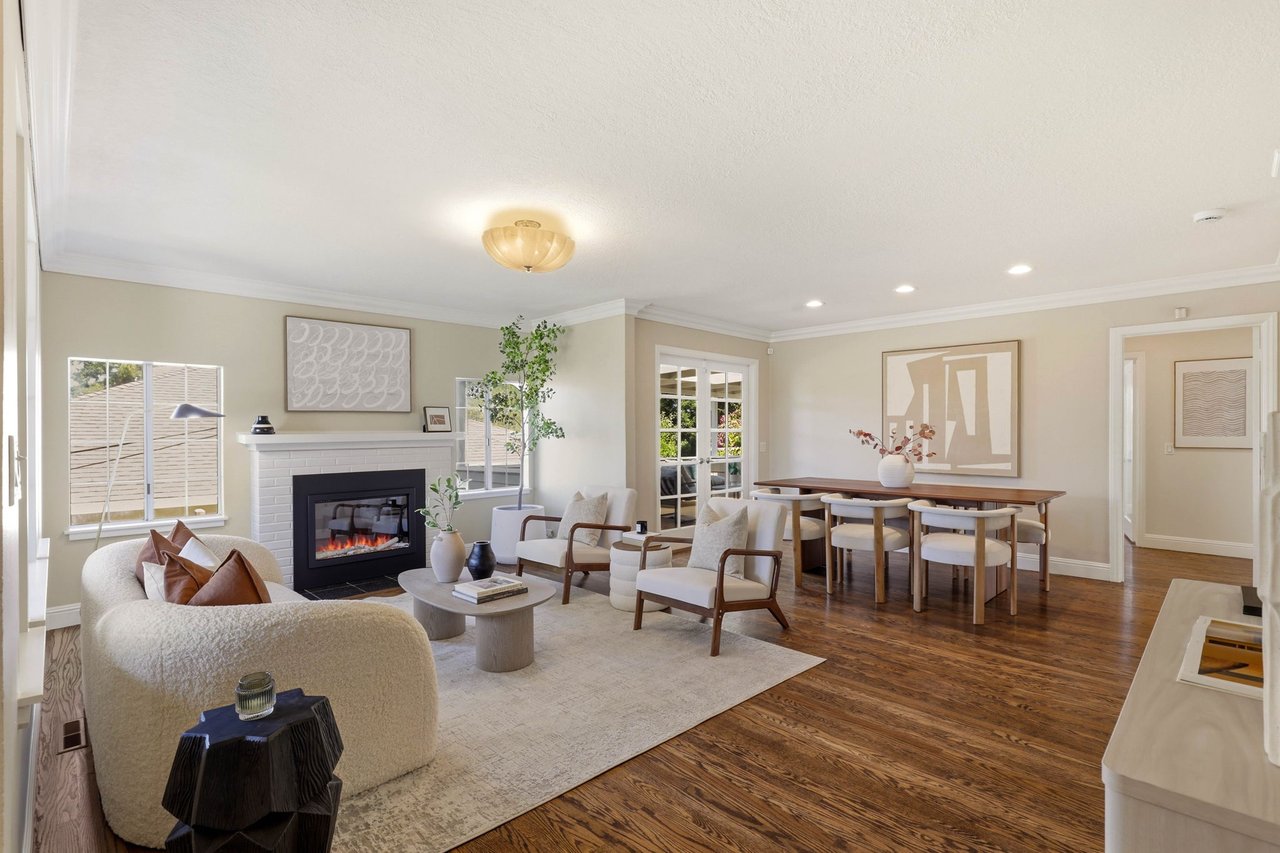
The lower level was excavated properly, parking was incorporated and the building underwent a dramatic transformation. Later marketing for the property described new electrical and plumbing systems, a new foundation and steel framing, a new roof, radiant heating and garage parking.
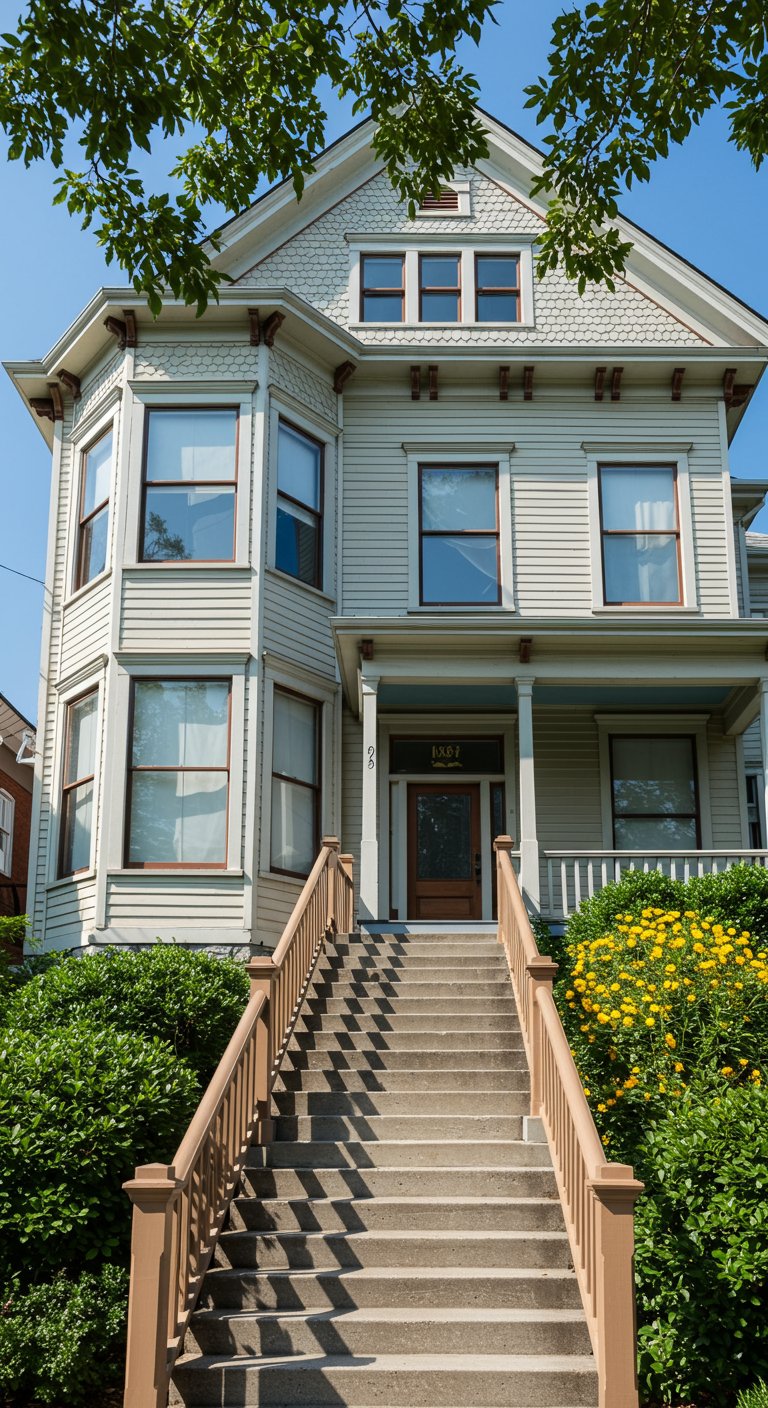
What had once been an extremely distressed building ultimately became a beautifully renovated San Francisco residence.
That transformation illustrates something I have seen repeatedly during my decades in real estate:
What one person turns to rubble, another person can turn to gold.
The real value wasn't necessarily what stood on the property when we sold it.
It was the location, the underlying real estate and the opportunity.
What Is a Court Receivership in California Real Estate?
A real estate receivership is a legal remedy in which a court appoints an independent receiver to take possession or control of property.
Depending on the court's order, a receiver may be authorized to:
- Secure and protect the property
- Address dangerous or substandard conditions
- Obtain professional inspections and estimates
- Coordinate permitted repairs and rehabilitation
- Manage contractors and expenses
- Address certain code-enforcement requirements
- Preserve the property's value
- Market and sell the property when authorized by the court
Receiverships are generally used when ordinary enforcement or ownership control is no longer sufficient to resolve the underlying problem.
For owners, neighbors, attorneys and prospective buyers, the important point is that a receivership transaction is not a standard real estate sale. The court order defines the receiver's authority, and the sale process may involve legal and procedural requirements far beyond those of an ordinary transaction.
Can San Francisco Take Action Against Unpermitted Construction?
Yes.
San Francisco's Department of Building Inspection investigates complaints involving unpermitted work and unsafe or substandard buildings. Enforcement can include Notices of Violation, Stop Work notices, corrective requirements and additional enforcement proceedings.
When violations remain unresolved and conditions become serious enough to threaten health, safety or neighboring properties, the situation can escalate well beyond a normal building-code dispute.
The Downey Street property is an extraordinary example of just how far that escalation can go.
Can a Neighbor's Complaint Lead to a Receivership?
Potentially, yes, although the circumstances and legal basis matter.
The receivership involving 232 Downey Street is particularly interesting because the documented receivership record identifies it as a Health & Safety Receivership arising from an action brought by a neighbor seeking to abate a nuisance property.
That makes this case an important lesson for San Francisco property owners: unpermitted construction isn't necessarily an issue contained within your property lines.
If construction creates dangerous conditions or affects neighboring property, the consequences can become significantly more serious.
The Lesson for San Francisco Property Owners
There is a major difference between owning property and having unlimited authority to do whatever you want with it.
Especially in San Francisco, excavation, foundation work, structural modifications and additions require careful engineering, permitting and inspections.
Ignoring those requirements can create far more than a permitting headache.
It can affect neighboring properties, generate substantial legal expenses, create liens and judgments, diminish the property's value and, in extreme circumstances, result in court intervention and a receivership.
232–234 Downey Street demonstrated virtually every one of those risks.
But it demonstrated something else as well.
Even an extraordinarily distressed property can have tremendous underlying value when the location and opportunity are strong enough.
The building was the problem.
The real estate was the opportunity.
And sometimes recognizing the difference between the two is where experience matters most.
Frequently Asked Questions
What happened at 232–234 Downey Street in San Francisco?
The property became the subject of building violations, neighborhood complaints and litigation following extensive unpermitted work and excavation. A Health & Safety Receiver was ultimately appointed, and Alex Lehr represented the receivership in marketing and selling the property.
What is a Health & Safety Receivership?
It is a court-supervised remedy in which an independent receiver may be appointed to take control of a property in order to address serious health, safety, nuisance or code-compliance issues. The receiver's specific authority is established by the court.
Can a court receiver sell real estate in California?
A receiver can sell property when authorized to do so under the applicable court order and legal process. A receivership sale therefore differs from a conventional transaction in which an owner independently decides to sell.
Can unpermitted construction affect neighboring San Francisco properties?
Yes. Excavation, foundation alterations and structural work can potentially affect adjacent buildings, particularly in dense San Francisco neighborhoods where structures may be extremely close together.
Who represented the Downey Street receivership in the real estate sale?
San Francisco Bay Area real estate broker Alex Lehr represented the court receivership in the marketing and sale of the property.
What can buyers learn from distressed and receivership properties?
The physical condition of a property is only one component of value. Location, land, development potential, permitting feasibility and the cost of correcting existing conditions all need to be evaluated. A severely distressed property in an exceptional location can still represent a significant opportunity for the right buyer.
About Alex Lehr
Alex Lehr is a San Francisco Bay Area real estate broker with decades of experience representing complex property transactions, including probate and estate sales, distressed properties and court-involved real estate. His work frequently involves properties where the transaction requires far more than traditional marketing — including complicated property conditions, legal proceedings, extensive preparation and multiple stakeholders.