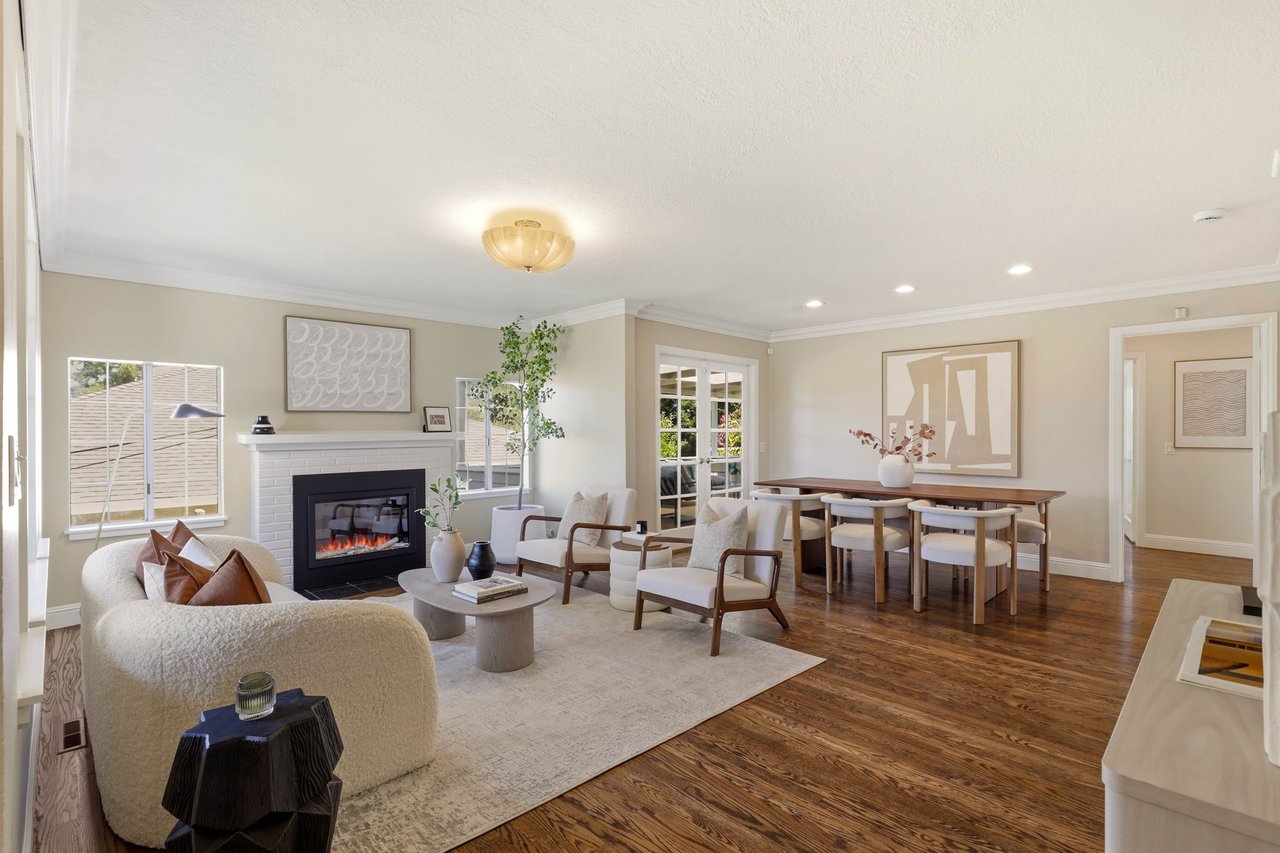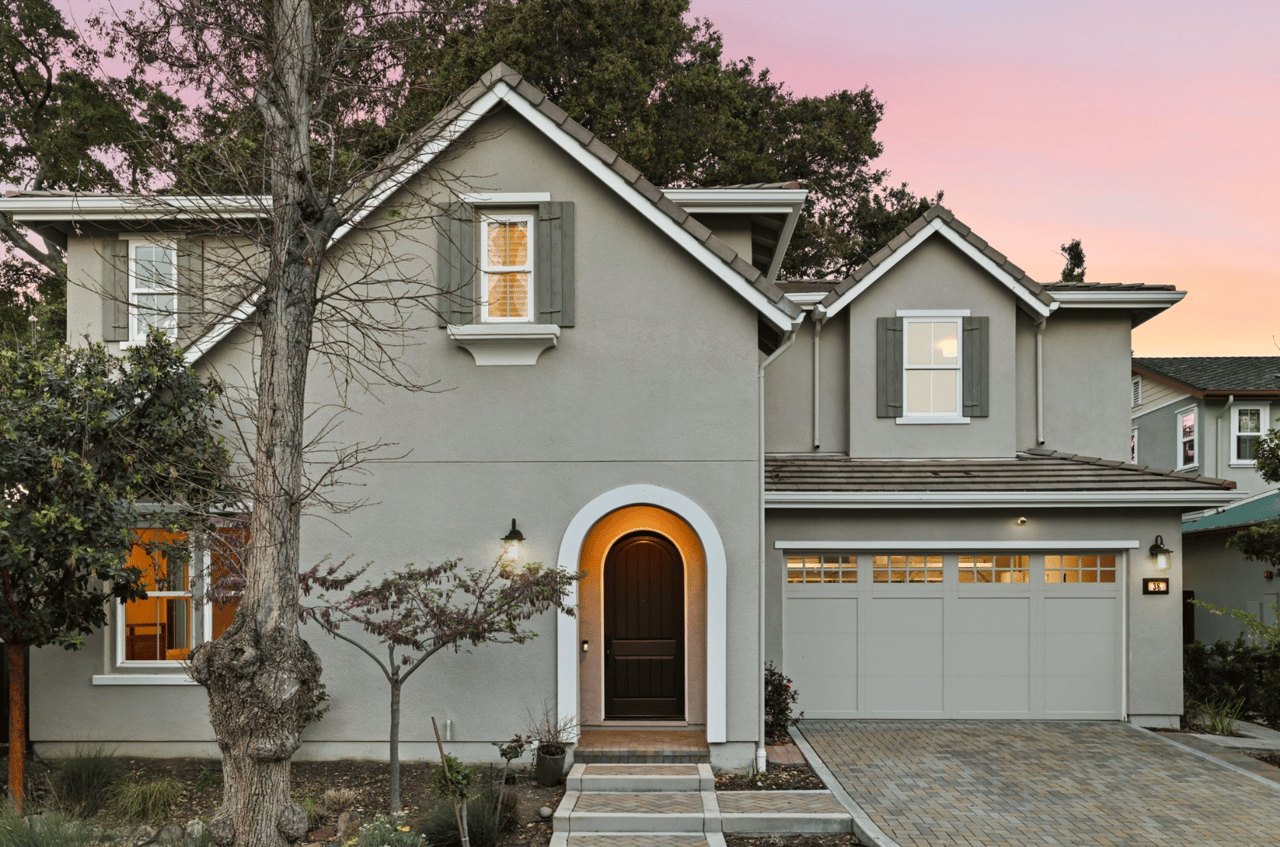
What does a concierge real estate service actually do for buyers and sellers on the Peninsula?
A concierge real estate service takes the full weight of the transaction off your plate. Instead of managing vendors, tracking paperwork deadlines, and figuring out California's disclosure requirements on your own, you have one advisor who coordinates everything from the first conversation to the moment you hand over the keys or get them. On the Peninsula, where homes regularly trade above $2 million and the process is genuinely complex, that level of coordination isn't a luxury. It's what makes the difference between a smooth close and a stressful one.
Why the Peninsula Market Makes Full-Service Coordination Essential
The Peninsula is not a forgiving market for anyone who shows up unprepared. Recent Zillow market data shows a median sale price of $2,560,000 in San Carlos, with homes spending a median of 49 days on market. Across the broader region, prices range from $1.4 million in Half Moon Bay to more than $4 million in Woodside. Every one of those transactions carries the same set of California-specific requirements, regardless of price point.
Area | Median Sale Price | Median Days on Market |
|---|---|---|
San Carlos | $2,560,000 | 49 |
Redwood City | $1,900,000 | 55 |
Belmont | $2,102,500 | 56 |
Menlo Park | $3,042,375 | 56 |
Half Moon Bay | $1,434,000 | 56 |
San Jose | $1,425,000 | 8 |
Woodside | $4,050,000 | 62 |
San Mateo | $1,770,000 | 48 |
A June 2026 Bay Area market report noted the region was operating well below the six-month inventory threshold that defines a balanced market. That means sellers need to be ready to move quickly and buyers need to be positioned to compete. Neither happens without serious upfront preparation.
Here's what I tell every client who asks me what "concierge" actually means in practice: it means you don't have to figure any of this out alone. I handle the sequencing, the vendors, the paperwork, and the process so you can focus on the decision, not the logistics.
What the Preparation Phase Looks Like for Sellers
Before a home hits the market, there's a real checklist to work through. Under California law, the seller of a 1-4 unit residential property must deliver a Real Estate Transfer Disclosure Statement to the buyer as soon as practicable before the transfer of title. That document requires the seller to disclose known conditions, defects, and features of the property. It's not optional, and it's not something you want to scramble through after you're already in contract.
Alongside the TDS, California sellers typically provide a Natural Hazard Disclosure and a set of other required forms. A strong pre-listing process front-loads all of this so nothing slows down the transaction once offers come in. I walk my clients through the full disclosure package before we list, not after.
Beyond paperwork, the preparation phase includes:
- Condition review and repairs, identifying what to fix before listing versus what to disclose and price accordingly
- Vendor coordination, staging, photography, inspections, and any pre-sale work, scheduled and managed without you making a dozen phone calls
- Pricing strategy, grounded in current market data, not an algorithm that doesn't know your street
- Marketing timeline, sequenced so the home hits the market at the right moment with everything in order
What the Preparation Phase Looks Like for Buyers
Buyers on the Peninsula face their own version of complexity. Before making an offer, you'll typically review a disclosure package that includes the TDS, the Natural Hazard Disclosure, inspection reports, and often a property tax documentation that helps you understand the current assessment. That's a lot of material to digest quickly in a market where well-priced homes don't wait.
A concierge approach for buyers means I'm reading those documents with you, flagging anything worth a second look, and helping you understand what you're actually buying before you commit. Your specific situation determines what due diligence matters most, and that's exactly the kind of conversation we have before you ever write an offer.
What Sets a True Concierge Experience Apart
The word "concierge" gets used loosely in real estate. What it should mean is a licensed, experienced advisor who handles the transaction as a complete process, not a series of handoffs. The California Department of Real Estate licenses and regulates brokers and salespersons operating in this state, and that regulatory framework matters. A concierge real estate service isn't an informal advisory arrangement. It's a fully licensed brokerage relationship with higher-touch coordination built into it.
Here's what that looks like in practice at Guide Real Estate CA:
- One point of contact from first conversation to closing, no handoffs to a transaction coordinator you've never met
- Disclosure management handled proactively, not reactively, so nothing holds up your close
- Vendor relationships built over decades, not a referral list pulled from a website
- Off-market access through a network of tens of thousands of Peninsula property owners I stay in contact with every year
- Honest market intelligence based on data and local experience, not what you want to hear
According to California DRE licensing guidance, brokers operate within a structured regulatory framework. That structure is what gives you recourse and protection. When you're working with a concierge-style practice, you're getting the benefit of that framework plus the coordination layer on top of it.
I've been doing this on the Peninsula since 1984. The market has changed dramatically in four decades, but the fundamentals of what makes a transaction go smoothly have not: preparation, communication, and someone who knows what's coming before it arrives. That's what "seeing around the corner" actually means in practice.
Your specific situation, whether you're buying your first home in Redwood City, selling a property in Menlo Park, or settling an estate in Belmont, determines exactly what the process looks like. The only way to know what applies to you is to walk through it together.
Frequently Asked Questions
What does a concierge real estate agent do differently from a traditional agent in California?
A concierge agent manages the full transaction as a coordinated process rather than handing off pieces to third parties. That includes disclosure preparation, vendor coordination, timeline management, and ongoing communication from the first meeting to closing. In California, where sellers must deliver a Transfer Disclosure Statement and a set of other required forms before title transfers, having someone who front-loads that paperwork correctly reduces last-minute surprises significantly.
Is concierge real estate worth it for selling a home in San Mateo County?
In a market where San Carlos medians are around $2,560,000 and inventory stays tight, the preparation and disclosure management that a concierge approach provides directly affects how smoothly your transaction closes. Errors or delays in disclosure paperwork can slow or derail a sale at any price point. The value isn't just convenience; it's protection against the things that go wrong when the process is managed informally.
What disclosures do I need to complete before listing a home in California?
California requires sellers of most 1-4 unit residential properties to deliver a Real Estate Transfer Disclosure Statement to the buyer as soon as practicable before the transfer of title. Sellers also typically provide a Natural Hazard Disclosure and additional forms depending on the property. A concierge process builds disclosure preparation into the pre-listing phase so you're not scrambling once you're in contract.
How fast are homes selling in the Peninsula market right now?
Based on recent Zillow market data through August 2026, median days on market range from 8 days in San Jose to 62 days in Woodside, with San Carlos at 49 days and Belmont and Menlo Park both around 55-56 days. The pace varies significantly by area, price point, and condition. A well-prepared listing, with disclosures complete and presentation dialed in, consistently moves faster than one that hits the market before it's ready.
What documents does a buyer usually review before making an offer in California?
The seller's disclosure package in California typically includes the Transfer Disclosure Statement, a Natural Hazard Disclosure, inspection reports, and often property tax documentation. Reviewing these carefully before writing an offer is essential, especially on the Peninsula where purchase prices regularly exceed $2 million. A concierge buyer's agent walks you through the package, flags anything that warrants a closer look, and helps you understand what you're actually committing to.
The Peninsula market doesn't slow down for buyers or sellers who aren't ready. Whether you're listing a home in San Carlos, making an offer in Burlingame, or navigating an estate sale in Belmont, the difference between a smooth transaction and a stressful one usually comes down to preparation and who's managing the process.
With more than 40 years on the Peninsula and over 3,100 homes sold, I've built a practice around making this process as clear and low-friction as possible for every client. When you're ready to talk through your situation, call me at 650-595-5500 or reach out at guiderealestateca.com/contact. No pressure, no obligation, just a straight conversation about what your next move looks like.
Equal Housing Opportunity. Alex Lehr, CA DRE# 00867442, Guide Real Estate CA. This article is general information only and does not constitute legal, tax, or financial advice. Confirm your specific disclosures, costs, and transaction details with your attorney, tax advisor, lender, or escrow officer. Message and data rates may apply.