What does it actually cost to sell a home on the Peninsula in 2026?
Selling a Peninsula home in 2026 involves several distinct cost categories: fully negotiable broker compensation, escrow and title fees, documentary transfer taxes, pre-listing prep, staging, and California's required disclosures. The exact total varies by price point, property condition, and what you negotiate in your listing agreement, a personalized net sheet with a local agent is the only reliable way to know your real number before you list.
Here's something I tell every seller who sits down with me before we list: the number that surprises people most isn't the commission. It's everything else stacked underneath it. After more than 40 years and over 3,100 transactions on the Peninsula, I've watched sellers walk into escrow expecting one set of costs and walk out having spent meaningfully more, or, when they planned well, meaningfully less. The difference is almost always preparation.
So let's go through what actually shows up in a Peninsula sale, category by category, so you can start thinking clearly about your own situation.
The Cost Categories Every Peninsula Seller Should Understand
I separate selling costs into two buckets: the ones fixed by law or process, and the ones that are negotiated or market-driven. Knowing which is which changes how you approach each one.
Broker Compensation
Broker fees are fully negotiable and not set by law. There is no standard rate, no customary rate, and no figure I can responsibly publish here that would apply to your sale. Following the 2024 NAR settlement, the rules around how buyer-agent compensation is structured and disclosed have changed meaningfully. The listing-side fee is agreed in your listing agreement. Any compensation a seller chooses to offer a buyer's agent is optional and separately negotiated, it is no longer advertised on the MLS. If you want to understand what broker compensation would look like for your specific home, that conversation happens with me directly, not on a blog.
Escrow, Title, and Recording Fees
Every Peninsula sale closes through escrow. The escrow officer manages the transfer of funds, coordinates payoff of any existing mortgage, and handles the county recording workflow. In San Mateo County, county recorder documentation confirms that any document requiring Documentary Transfer Tax must be accompanied by the county form, so closing isn't just signing and handing over keys. It includes formal recording compliance.
Title insurance protects the buyer (and usually the lender) against ownership claims. Escrow and title fees are set by the escrow company and title insurer, and they scale with the sale price. These are real costs, and your escrow officer will give you a preliminary closing statement before you close so there are no surprises. What I can tell you is that on a Peninsula transaction, where median prices run well above $1.5 million in most cities, these line items are not trivial. Plan for them, and ask your escrow officer for an estimate early in the process.
Documentary Transfer Tax
California imposes a Documentary Transfer Tax on real property sales. The county rate is set by statute. Several Peninsula cities also impose their own city-level transfer tax on top of the county rate, so your total transfer tax depends on which city your property sits in. Who pays this tax is commonly negotiated between the parties, confirm the allocation in your own contract rather than assuming one side automatically bears it. Your escrow officer will calculate the exact amount based on your sale price and property location.
The California State Board of Equalization notes that change-in-ownership must be reported within 90 days of the date of transfer, which affects closing timelines and county assessor follow-up, something worth knowing if you're coordinating a purchase on the other side.
Pre-Listing Inspections and Disclosures
This is where Peninsula sellers sometimes underestimate what's coming. Under California law, sellers of most 1-4 unit residential properties must deliver a Real Estate Transfer Disclosure Statement (TDS) to the buyer before transfer of title. Your listing broker is also required by the California Department of Real Estate to conduct a reasonably competent visual inspection of accessible areas and disclose material facts affecting value or desirability. That inspection obligation is one reason sellers commonly invest in pre-listing repairs or cosmetic work, better to find and address issues before a buyer's inspector does.
A structural pest control (termite) inspection is not required by California law before transfer, but if the purchase contract or the buyer's lender requires one, the seller or seller's agent must deliver the report and certification before title transfer. In practice, many Peninsula sellers order their own pest report before listing to get ahead of any findings. Whether that cost becomes a seller expense depends entirely on what the report shows and what you negotiate.
Staging, Cosmetic Prep, and Pre-Sale Work
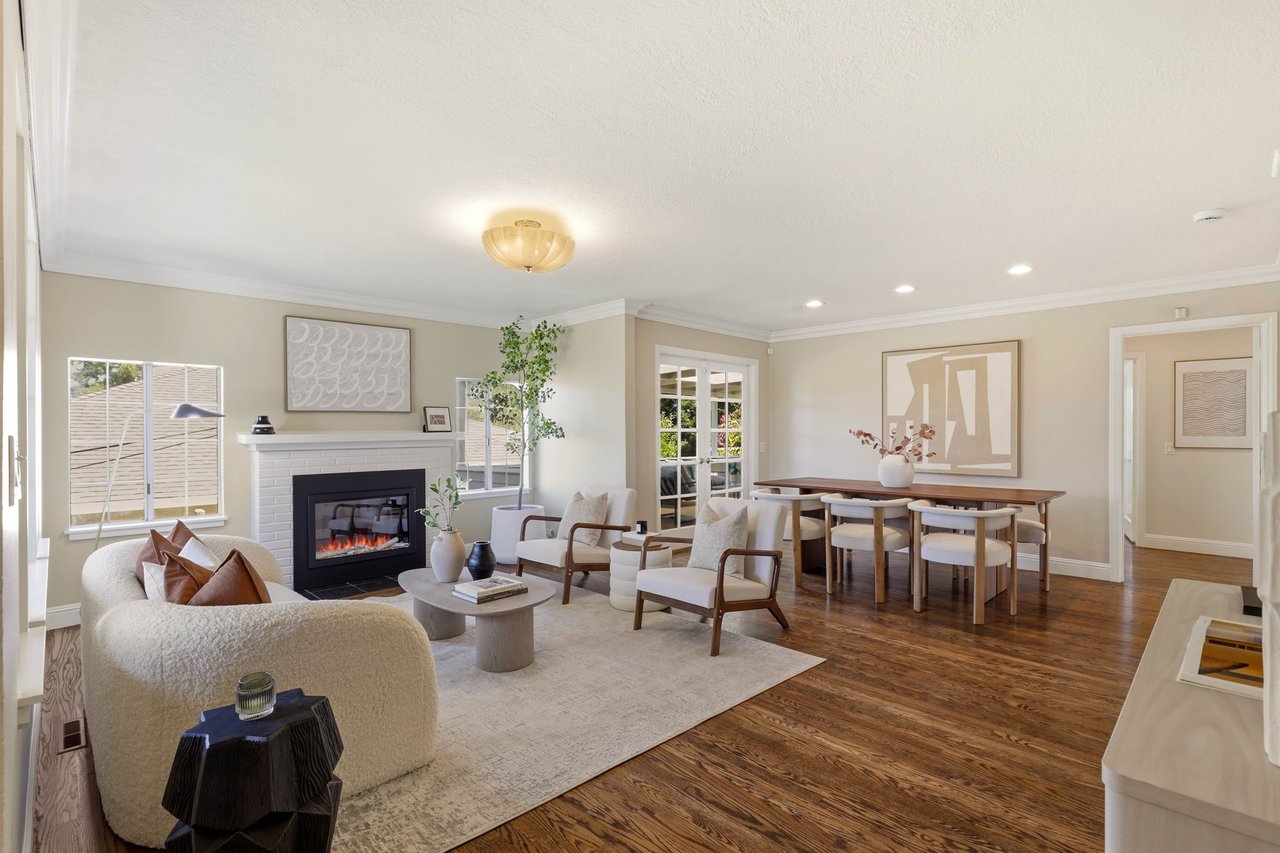
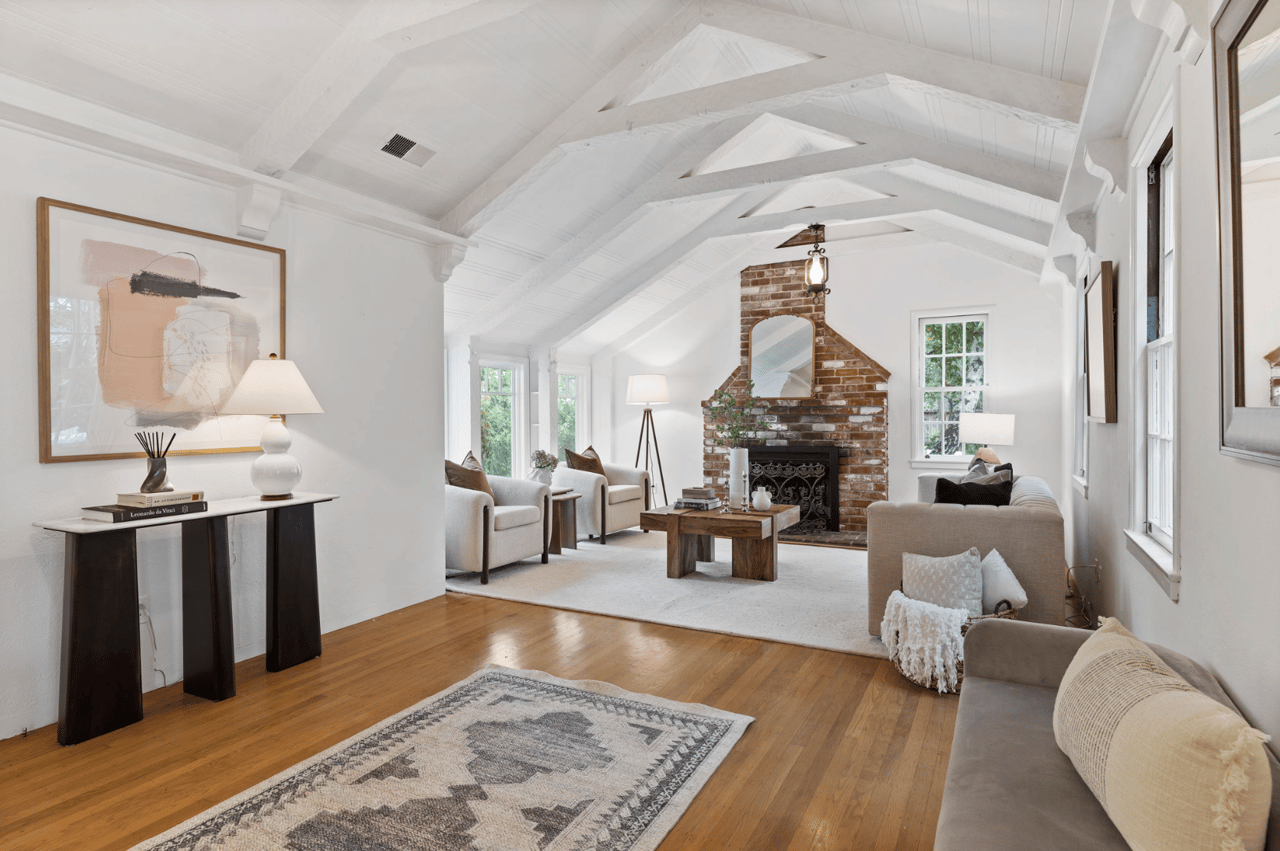
This is the most variable cost category, and it's the one where thoughtful decisions make the biggest difference to your net. On the Peninsula, where buyers are sophisticated and inventory is competitive, presentation matters enormously. A home that photographs well, shows well, and feels move-in ready consistently attracts more offers than one that doesn't, and more offers almost always means a better price.
What you'll spend depends on the home's current condition. Fresh interior paint, refinished hardwood floors, updated light fixtures, professional landscaping, and deep cleaning are the most common investments. Full professional staging adds cost but can substantially change how a home photographs and feels during showings. The scope of pre-sale work is one of the first things I walk through with every seller, not every home needs everything, and the goal is always to identify the improvements with the strongest return, not just spend money for its own sake.
These costs are market-driven, not fixed by statute. Your situation is different from your neighbor's. The only way to know what makes sense for your home is to have someone who knows this market walk through it with you.
Where Peninsula Prices Stand in 2026
Understanding your cost picture starts with understanding where your home sits in the market. According to recent Zillow market data (trailing approximately 90 days as of August 2026), median sale prices across Peninsula and Bay Area communities vary significantly by city. These are area-level medians, an individual home's value depends on condition, street, build year, and timing.
In San Carlos specifically, the median sale price is $2,560,000 with a median of 49 days on market, based on 89 closed sales over the past 90 days. That's the market I work in every day, and it's a market where the difference between a well-prepared listing and an unprepared one can be measured in hundreds of thousands of dollars.
Here's how recent medians compare across the areas I serve:
Area | Median Sale Price | Median Days on Market |
|---|---|---|
San Carlos | $2,560,000 | 49 |
Redwood City | $1,900,000 | 55 |
Belmont | $2,102,500 | 56 |
Menlo Park | $3,042,375 | 56 |
Half Moon Bay | $1,434,000 | 56 |
San Jose | $1,435,000 | 8 |
Woodside | $4,050,000 | 62 |
San Mateo | $1,770,000 | 48 |
At the county level, Redfin's San Mateo County market data showed a median sale price of $1,794,617 over the three months ending May 2026, up 2.5% year over year. That county-wide figure blends everything from entry-level condos to estate properties, which is why city-level data gives you a more useful benchmark for your own home.
Your specific cost picture scales with your sale price. A home selling at the lower end of the Peninsula range has a different transfer-tax bill, different escrow fees, and often a different staging investment than one selling at $3 million or above. That's why a net sheet, one built around your actual property, is the only document that tells you what you'll really walk away with.
What to Do Before You List
The sellers who come out ahead on the Peninsula are almost always the ones who start the planning conversation early. Here's the sequence that works:
- Get a current market analysis for your specific home, not a Zestimate, a real comparable-sales review by someone who knows the street and the neighborhood.
- Walk the property with your agent before you spend a dollar on prep. Prioritize improvements by return, not by what feels obvious.
- Order your own pre-listing inspections early so you control the narrative. Findings that surprise a buyer mid-escrow cost more than findings you address before listing.
- Understand your disclosure obligations upfront. The California Department of Real Estate's TDS requirements apply to most residential sales, your agent should walk you through them before you go live.
- Request a preliminary net sheet from your agent before you sign a listing agreement. Every line item should be explained, and nothing should be a surprise at closing.
Every situation is different, and the only way to know your real number is to run it with someone who knows this market. That's exactly what I do before we list any home.
Frequently Asked Questions
What closing costs does a seller pay in San Mateo County?
Peninsula sellers typically pay escrow fees, title insurance (or a portion of it, depending on negotiation), documentary transfer tax, recording fees, prorated property taxes through the close date, and any HOA transfer fees if applicable. Broker compensation is also paid at closing and is fully negotiable. The exact allocation of each cost is negotiated in the purchase contract, your escrow officer will provide a preliminary closing statement before you close.
Who usually pays the transfer tax when selling a home on the Peninsula?
Who pays the Documentary Transfer Tax is negotiable between buyer and seller, and the answer varies by transaction. Several Peninsula cities layer their own city-level transfer tax on top of the county rate, so the total amount depends on which city your property is in. Confirm the allocation in your own purchase contract and ask your escrow officer to calculate the exact figure based on your sale price and location.
Is a termite inspection required when selling a house in California?
California law does not require a structural pest control inspection before transfer for most residential sales. However, if the purchase contract or the buyer's lender requires one, the seller or seller's agent must deliver the report and certification before title transfer, per the California Department of Real Estate. Many Peninsula sellers order their own pest report before listing to get ahead of any findings, whether treatment costs become a seller expense depends on what the report shows and what you negotiate.
What disclosures are required when selling a house in California?
Sellers of most 1-4 unit residential properties in California must deliver a Real Estate Transfer Disclosure Statement (TDS) to the buyer before transfer of title, as required by the California Department of Real Estate. Your listing broker is also required to conduct a visual inspection of accessible areas and disclose material facts affecting value or desirability. Additional disclosures may apply depending on property type, location, and any known conditions, your agent should walk you through the full list before you list.
What happens to property taxes after a home sale in California?
A home sale triggers a change of ownership, which generally causes a property-tax reassessment for the buyer. The California State Board of Equalization uses the supplemental roll to put the reassessed value into immediate effect. For sellers, this means prorated property taxes through the close date are settled in escrow, and the BOE notes that change-in-ownership must be reported to the county assessor within 90 days of the transfer date.
How long does escrow take for a home sale in San Mateo County?
A standard Peninsula escrow runs 21 to 30 days for a conventional sale, though cash transactions can close faster and complex situations, estate sales, title issues, or lender delays, can extend the timeline. San Mateo County's recording workflow adds a step at the end: the deed must be formally recorded with the county recorder before the sale is complete. Your escrow officer will give you a timeline estimate once you open escrow.
Understanding your full cost picture before you list is the difference between a sale that delivers what you expected and one that leaves you scrambling at the closing table. With more than 40 years on the Peninsula and over 3,100 transactions behind me, I know exactly what it takes to prepare a home, price it right, and protect your net. If you're thinking about selling, whether it's a straightforward move or a complex estate situation, let's sit down and run your numbers together.
Call me at 650-595-5500 or reach out here for a confidential, no-pressure conversation about your home and your timeline.
Equal Housing Opportunity. Alex Lehr, CA DRE# 00867442, Guide Real Estate CA. Regulated by the California Department of Real Estate. This article is general information only and is not legal, tax, or financial advice. Confirm your own costs and obligations with your attorney, tax advisor, lender, or escrow officer before proceeding with any transaction. Message and data rates may apply.