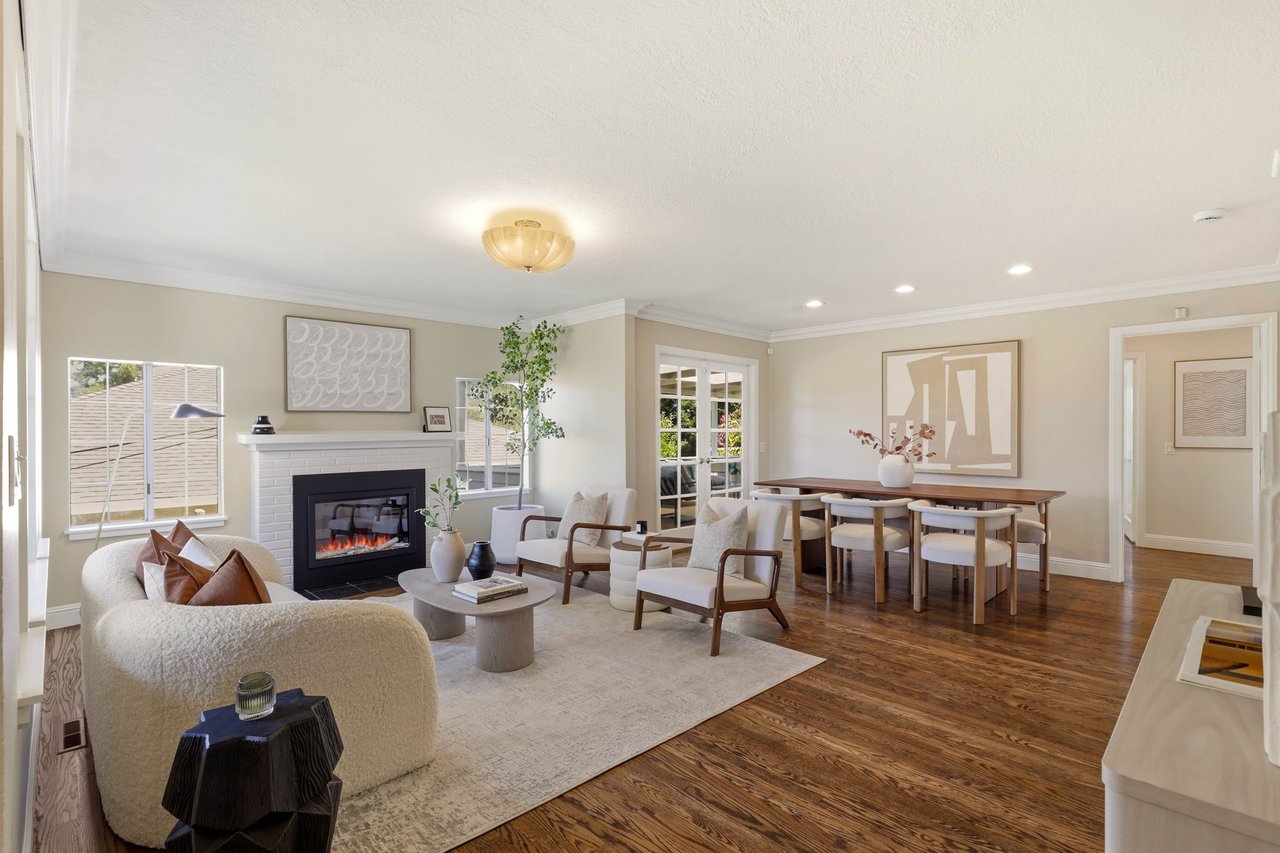
What does an executor or trustee need to know to sell a home in San Mateo County?
Selling a home as an executor or trustee in San Mateo County means navigating California probate and trust law, San Mateo Superior Court local rules, title requirements at the county recorder's office, and a competitive Peninsula market, all at once. Whether you need court confirmation depends on the authority the court grants you, and the steps differ meaningfully between a probate sale and a trust sale. Getting the process right from the beginning protects you from personal liability and protects the estate's value.
The Probate Sale Path: What Executors in San Mateo County Actually Face
The first thing to understand is that not every probate sale requires a court hearing. Under the California Independent Administration of Estates Act (IAEA), California Probate Code §§10400–10592, a personal representative who has been granted full IAEA authority can often sell estate real property without prior court approval. The sale still requires proper notice of proposed action to beneficiaries and interested parties, and statutory timelines must be followed, but you avoid the overbid hearing entirely.
If the court grants only limited IAEA authority, or no IAEA authority at all, the sale requires court confirmation. That means an accepted purchase contract contingent on court approval, a filed petition for confirmation of sale, and a hearing where overbids may be allowed under California Probate Code §§10311–10312. Per San Mateo County Superior Court local rules (amended effective July 1, 2026), all probate proceedings are filed with the Probate Division Clerk's Office at 400 County Center, Redwood City, and hearings are held at the Southern Division there.
One procedural detail that catches executors off guard: if more than one year has passed since the date of death, San Mateo County's local probate rules require a current appraisal or reappraisal for sale before a confirmed sale can proceed. California Probate Code §10309 also sets a floor, a confirmed sale generally must achieve at least 90% of the appraised value. I walk every executor I work with through this timeline early, because discovering a reappraisal is needed after you've accepted an offer adds weeks you didn't plan for.
Trust Sales: A Faster Path, But Not Without Obligations
If the property is held in a revocable living trust, the process looks very different. Trust property generally does not pass through probate, which means no court confirmation is required under California Probate Code §§15000–15414. The successor trustee has authority to sell once title is properly updated.
The practical first step is recording an Affidavit of Death of Trustee or Trustor along with a certified copy of the death certificate with the San Mateo County Recorder. Peninsula title companies will ask for this recorded affidavit and a trust certification before issuing title insurance. It sounds straightforward, but I've seen transactions stall because this step was skipped or the affidavit wasn't recorded before the listing went live.
Trustees still carry serious fiduciary obligations. Under California Probate Code §§16000–16015 and the prudent investor rule (§§16045–16054), a trustee must consider the interests of all beneficiaries, tax implications, and overall estate management when deciding how and when to sell. Selling below market without justification can expose a trustee to a surcharge, personal financial liability. That's not a theoretical risk on the Peninsula, where the difference between a well-prepared sale and a rushed one can be measured in hundreds of thousands of dollars.
Market Context and Timing in 2026
San Mateo County's housing market in 2026 continues to favor sellers. The most recent county-level data, from June 2026, shows a median sale price of approximately $1.79 million, up about 3.8% year over year, with median days on market around 15 days and roughly 60% of homes selling above list price. Months of supply sat near 1.3, which is extremely tight. Redfin's data for the three months ending May 2026 puts the county median near $1.8 million, with homes selling in roughly 14 days on average.
At the city level, recent Zillow market data (trailing approximately 90 days, as of August 2026) shows where individual communities sit. Area-level medians vary considerably, an individual home's value depends on condition, street, build year, and timing.
Area | Median Sale Price | Median Days on Market |
|---|---|---|
San Carlos | $2,560,000 | 49 |
Redwood City | $1,900,000 | 55 |
Belmont | $2,102,500 | 56 |
Menlo Park | $3,042,375 | 56 |
Half Moon Bay | $1,434,000 | 56 |
San Jose | $1,450,000 | 8 |
Woodside | $4,050,000 | 62 |
San Mateo | $1,770,000 | 48 |
What this means for executors and trustees: once you have authority and the property is prepared, the market itself moves quickly. The front-end work, getting authority, clearing title, completing the appraisal, handling the estate clean-out, and addressing deferred maintenance, is where time is actually spent. A well-prepared listing in this market can attract multiple offers within days. A listing that hits the market before the title and disclosure work is done will lose that momentum.
In my experience, the estates that sell at the top of the range are the ones where the executor invested in preparation: cleaning out personal property, addressing obvious deferred maintenance, and presenting the home as cleanly as possible. Buyers on the Peninsula expect a certain level of move-in readiness, even in an estate context, and they'll price their offers accordingly if the home signals neglect.
Disclosures: What Executors and Trustees Are (and Aren't) Required to Provide
California law under Civil Code §§1102–1102.8 requires a Transfer Disclosure Statement for most 1–4 unit residential sales. Executors and trustees who have never occupied the property have modified disclosure obligations, but they are still required to disclose known material facts affecting value or desirability. This is not an exemption from disclosure; it's a narrower version of it.
Local San Mateo County practice is to use California Association of REALTORS® (C.A.R.) probate and trust sale forms, which are designed specifically to handle these modified obligations and make clear what the estate seller is and isn't responsible for disclosing. Using the right forms matters. A standard residential disclosure package drafted for an owner-occupant sale creates liability exposure for an executor who never lived in the home.
The Professional Team That Makes This Work
An estate or trust sale in San Mateo County is not a solo project. In my 40-plus years working with executors, administrators, and trustees on the Peninsula, the transactions that go smoothly are the ones where the right professionals are coordinated from the beginning.
The core team typically includes:
- A probate or trust attorney familiar with San Mateo Superior Court practices and the current local rules, they handle the court filings, IAEA petitions, and any confirmation proceedings.
- A CPA or tax advisor who understands both California and federal capital gains implications. California does not impose a separate inheritance or estate tax, as the California Franchise Tax Board confirms, but gains from a later sale of inherited property are subject to capital gains tax, with basis generally stepped up to fair market value at the date of death. Federal estate tax rules may also apply depending on estate size, per IRS guidance. The tax picture is specific to your situation and needs professional review before you close.
- A real estate agent with direct probate and trust experience, someone who knows IAEA notice timelines, can coordinate with probate referees, understands the county recorder's title requirements, and has handled estate clean-outs in dense Peninsula neighborhoods where logistics are genuinely complicated.
- A title and escrow company experienced with trust and probate vesting in San Mateo County, who will flag affidavit and certification requirements before they become closing-day problems.
Regarding transaction costs: there are several cost categories specific to estate and trust sales in San Mateo County, including the county documentary transfer tax, potential city-level transfer taxes (which vary by municipality and should be confirmed with each city's finance department), title insurance, escrow fees, recording fees, natural hazard disclosure reports required under California Civil Code, estate clean-out and preparation costs, and attorney and accounting fees (some of which are subject to court approval in probate under California Probate Code §§10800–10811). The allocation of many of these between buyer and seller is negotiated in the purchase agreement. I'll walk you through what applies to your specific property and situation, that conversation is more useful than a generic estimate.
Broker fees and commissions are fully negotiable and not set by law. There is no standard or customary rate. The listing fee is agreed in the listing agreement, and any compensation a seller chooses to offer a buyer's agent is optional and separately negotiated.
Every executor and trustee situation is different. The only way to know exactly what your process looks like, and what your property is worth in this market, is to sit down with someone who knows both the legal framework and the current Peninsula market. That's the conversation I have with every family I work with before we take a single step.
Frequently Asked Questions
Do I have to go through court to sell a house in a San Mateo County probate, or can I sell it like a normal sale?
It depends on the authority the court grants you. Under the California Independent Administration of Estates Act, if you have been granted full IAEA authority, you can often sell estate real property without court confirmation, you follow a notice of proposed action process instead. If you have limited or no IAEA authority, the sale requires a court confirmation hearing, an accepted contract contingent on approval, and a possible overbid process. San Mateo County Superior Court handles all probate filings at 400 County Center in Redwood City.
What's the difference between an estate sale and a trust sale in California, and does it change the paperwork for buyers?
A probate (estate) sale involves court oversight and uses probate-specific purchase contracts, often with contingencies tied to court confirmation timelines. A trust sale, where property is properly titled in a living trust, bypasses probate entirely, the successor trustee sells with authority under the trust document, and the transaction looks more like a conventional sale, though it still uses trust-specific disclosure forms. Buyers in a probate sale need to understand that the court confirmation step can add weeks to the closing timeline; trust sales generally close on a more predictable schedule.
How does the Independent Administration of Estates Act work for selling a home in San Mateo County?
Under California Probate Code §§10400–10592, an executor with full IAEA authority can sell estate real property by providing proper notice of proposed action to beneficiaries and interested parties and waiting the required statutory period without objection. If no one objects, the sale can proceed without a court hearing. San Mateo County's local rules (amended July 1, 2026) explicitly confirm that judicial approval of sales is not required when full IAEA authority has been granted. If authority is limited, some real estate sales still require court confirmation.
If we inherit a house on the Peninsula, what taxes do we pay when we sell it?
California does not impose a separate inheritance or estate tax, as the California Franchise Tax Board confirms. However, when you sell inherited property, any gain above the stepped-up basis (generally the fair market value at the date of death) is subject to both California and federal capital gains tax. The tax impact depends on the sale price, the appraised value at death, how long you hold the property, and your overall income, this is a calculation your CPA needs to run before you close, not after.
How long does it usually take to sell a probate or trust property in the Bay Area once it hits the market?
Once a property is listed, the San Mateo County market moves quickly, the most recent county-level data from June 2026 shows median days on market around 14 to 15 days for properly priced homes. The longer timeline in estate and trust sales comes from the front end: getting court authority, clearing title, completing required appraisals, and preparing the property. Probate appointment and authority can take months. Once those steps are done, market exposure in San Mateo County is typically short given the current low inventory environment.
What steps do we need to take with the county recorder when a trustee dies and we need to sell the trust's house?
The successor trustee typically needs to record an Affidavit of Death of Trustee along with a certified copy of the death certificate with the San Mateo County Recorder to update title from the deceased trustee to the successor trustee. Peninsula title companies will require this recorded affidavit and a trust certification before issuing title insurance for the sale. Skipping or delaying this step is one of the most common causes of closing delays in trust sales, it's one of the first things I coordinate with clients and their title company.
The Bottom Line for Executors and Trustees
Managing an estate or trust sale in San Mateo County is genuinely complex, but it doesn't have to be overwhelming. The right guidance up front, with a team that understands both California probate law and the current Peninsula market, removes most of the uncertainty and protects the family legacy you're responsible for.
With more than 40 years of experience, over 3,100 homes sold, and a practice built specifically around estate, trust, and probate sales on the Peninsula, I've guided many families through exactly this process. I'm also the author of The Unexpected Sale: Guidance for the Executor/Administrator of an Estate, written for families in this exact situation. If you're managing an estate or trust property in San Mateo County, Redwood City, San Carlos, Belmont, Menlo Park, or anywhere on the Peninsula, call me at 650-595-5500 for a confidential, no-pressure conversation, or reach out at guiderealestateca.com.
Equal Housing Opportunity. Alex Lehr, CA DRE# 00867442, Guide Real Estate CA. This article is general information only and does not constitute legal, tax, or financial advice. Confirm your specific costs, tax obligations, and procedural requirements with your attorney, tax advisor, lender, or escrow/closing officer. California Department of Real Estate.