What makes luxury real estate on the Peninsula different from other Bay Area markets?
Peninsula luxury homes occupy a category of their own in the Bay Area. The combination of coastal access, hillside privacy, Silicon Valley proximity, and a finite supply of premier parcels creates a market where demand rarely softens for long, and where the gap between a well-positioned property and a poorly presented one can run into the hundreds of thousands of dollars.
Why Peninsula Luxury Commands a Premium
The Peninsula stretches from San Francisco south through San Mateo County and into the foothills of the Santa Cruz Mountains. That geography alone does much of the work. You have bay views from the eastern slopes, ocean-facing ridgelines above Half Moon Bay, creekside estates in Woodside, and walkable downtown proximity in Burlingame and Menlo Park. No other Bay Area submarket stacks those options in a 30-mile corridor.
The buyer pool reflects it. The Peninsula sits at the center of gravity for global technology wealth, and the clients I work with here include founders, executives, and investors who are not buying a first home. They are buying a specific lifestyle: privacy, land, architectural quality, and the kind of setting that does not exist in a suburb that was built out in the 1990s.
According to the most recent county-level data available, PUMS Data reported San Mateo County's median sale price at $1,794,936 in June 2026, with a median price per square foot of $1,104 and a year-over-year gain of 3.8%. That is the county-wide median. In the communities where luxury inventory concentrates, prices move well above that floor.
Recent Zillow market data for the trailing 90 days as of August 2026 shows the range clearly across Peninsula communities. These are area-level medians, and an individual home's value depends on condition, street, build year, and timing.
Area | Median Sale Price | Median Days on Market |
|---|---|---|
San Carlos | $2,560,000 | 49 |
Redwood City | $1,900,000 | 55 |
Belmont | $2,102,500 | 56 |
Menlo Park | $3,042,375 | 56 |
Half Moon Bay | $1,434,000 | 56 |
San Jose | $1,435,000 | 8 |
Woodside | $4,050,000 | 62 |
San Mateo | $1,770,000 | 48 |
Woodside's $4,050,000 median reflects what happens when equestrian zoning, multi-acre parcels, and architectural pedigree converge. Menlo Park's $3,042,375 median is driven by proximity to Sand Hill Road and Stanford. These are not outliers. They are the baseline in communities where the luxury segment begins.
At the broader metro level, Redfin's March 2026 luxury-market report for the San Francisco metro area put the luxury median sale price at $6,808,561 and recorded a 22.2% year-over-year jump in luxury home sales. That demand is not confined to the city. Much of it flows south along the Peninsula, where land, privacy, and parcel size are actually available.
What Buyers Are Actually Paying For
When I sit down with a luxury buyer, the conversation quickly moves past square footage. The questions that actually drive decisions are about:
- Views and setting. Bay views from the eastern hills above Belmont and San Carlos, ocean views from the coastside, and canyon privacy in Woodside and Portola Valley each attract a distinct buyer, and each commands a different premium.
- Land and usable acreage. A flat, usable acre in Woodside or Emerald Hills is a genuinely scarce asset. Buyers who want space for a guest house, pool, sport court, or equestrian facilities pay accordingly.
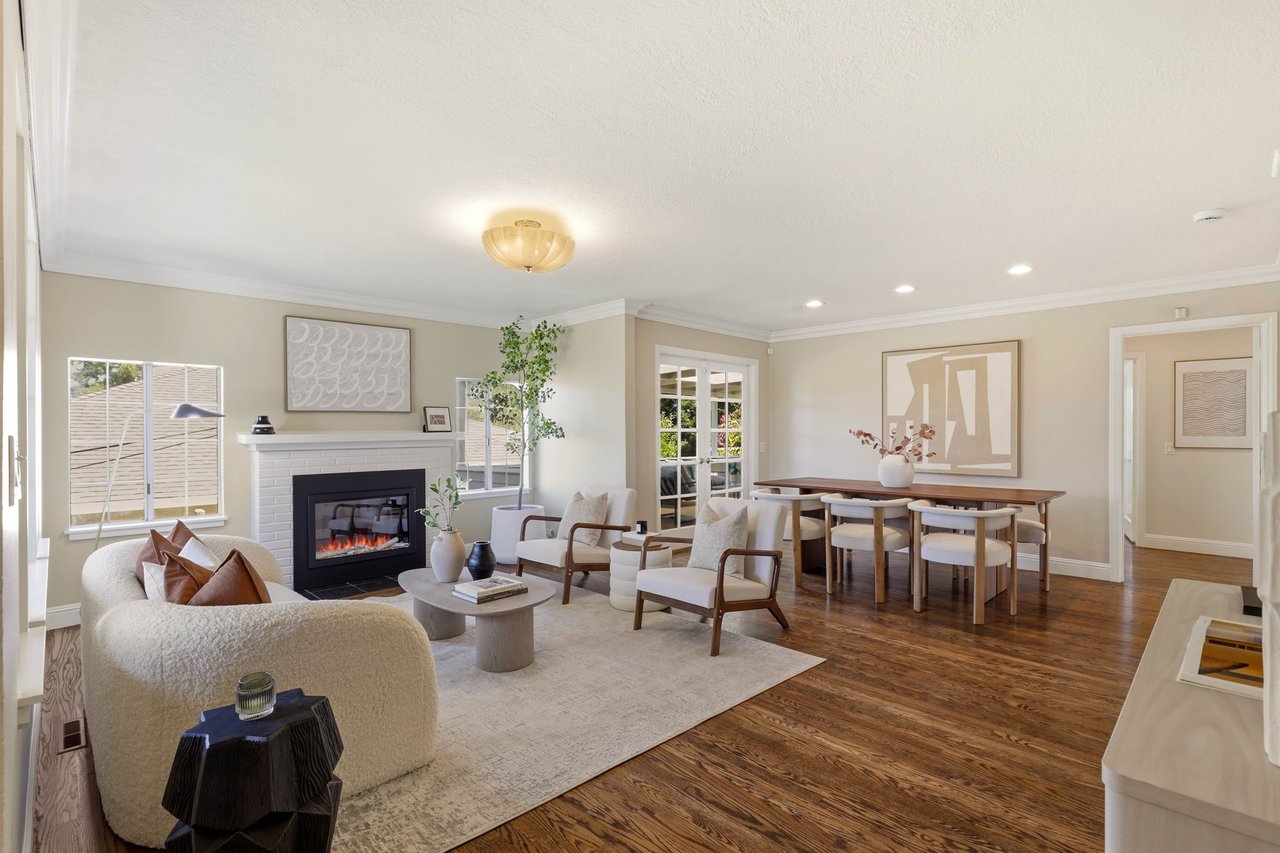
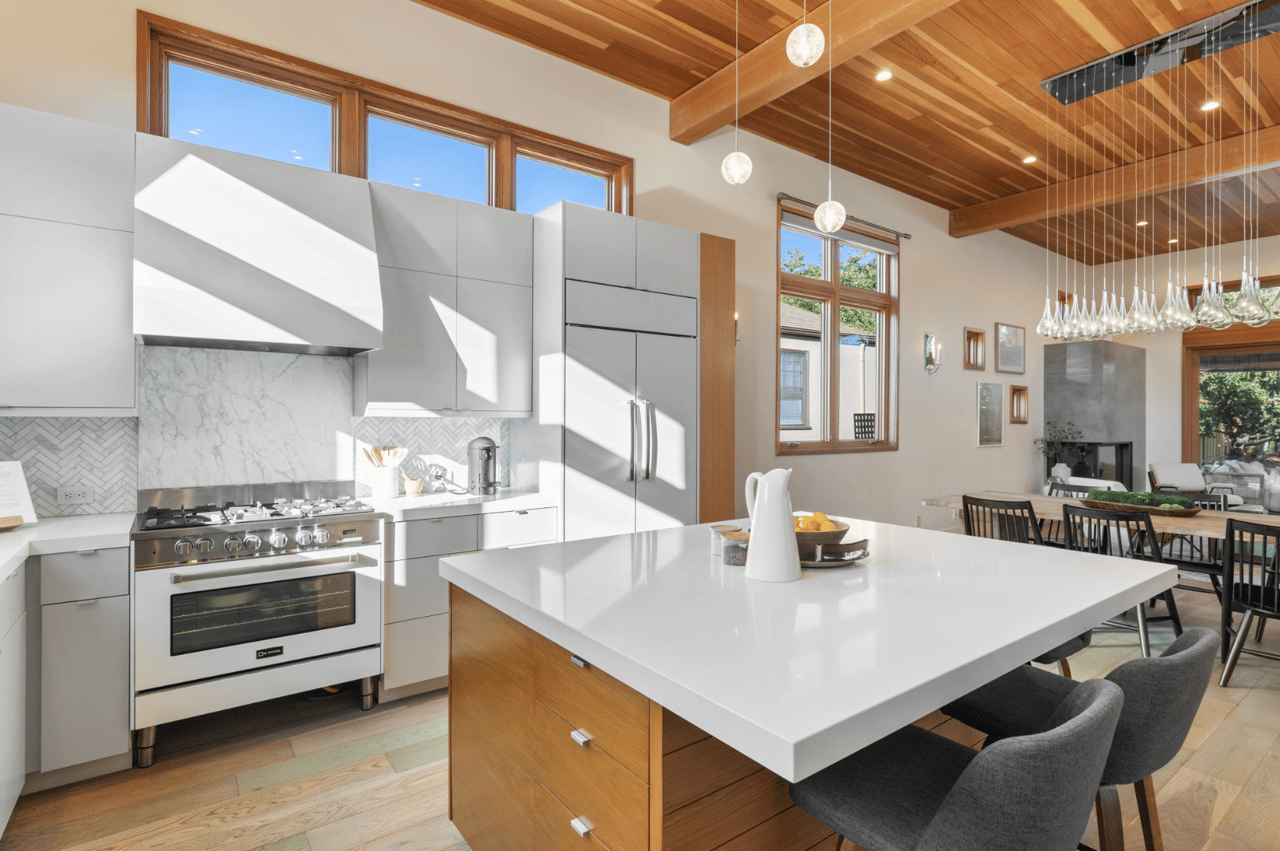
- Architectural quality and renovation status. A fully updated home with designer finishes, smart-home infrastructure, and a chef's kitchen is not competing with a dated estate at the same price. The gap between them is real and measurable.
- Privacy and access. Gated entries, setback from the street, and mature landscaping translate directly into offer prices in this segment.
- Off-market access. Many of the most compelling Peninsula luxury properties never appear on the MLS. The buyers who find them are working with agents who have those relationships.
That last point matters more than most buyers realize. I stay in contact with tens of thousands of local property owners every year, and that network regularly surfaces pre-market and pocket listings before they reach public exposure. In a segment where inventory is tight, that access is a meaningful competitive advantage.
Market Conditions and Transaction Details Worth Knowing
Inventory and Pace
Luxury inventory on the Peninsula is characteristically lean. Recent Zillow market data shows 32 active listings in San Carlos alone as of August 2026, with 20 new listings in the prior 30 days and 89 homes sold in the trailing 90 days. That pace reflects a market where well-priced, well-presented properties move. Homes sitting at 49 days on market in San Carlos are not failing to sell; they are finding their buyer at the right price.
The broader luxury segment is following the same trend. A Silicon Valley luxury mid-year report citing Institute for Luxury Home Marketing data found that luxury single-family home sales rose 8.3% in the first half of 2026, with attached luxury properties up 3.2%. Demand is not softening. It is shifting toward properties that justify their ask.
Transfer Taxes and Closing Considerations
Luxury transactions on the Peninsula carry local tax and recording details that matter at the closing table. The San Mateo County documentary transfer tax is $0.55 per $500 of consideration (or $1.10 per $1,000), collected when the deed is recorded through escrow. That is the county-level rate.
If your property is within the City of San Mateo's limits, there is an additional layer. A City of San Mateo ordinance establishes a municipal real property transfer tax, including a 1.5% rate for transactions at or above $10 million. That is city-specific and does not apply countywide, but it is a material number in a luxury deal inside those city limits.
Who bears the transfer tax is commonly negotiated between the parties. The statutory default and how it is handled in your specific transaction should be confirmed in your contract and with your escrow officer or attorney. I flag this early for every luxury client because surprises at the closing table are avoidable. Recording happens at the San Mateo County Clerk-Recorder, 555 County Center, Redwood City, and the tax remittance is part of the closing sequence.
The specifics of what you will net or what closing will cost depend on your property, your contract terms, and your timeline. That is exactly the kind of analysis I walk my clients through before we even list, or before they make an offer.
Pricing and Positioning
Luxury buyers in this market are sophisticated. They have seen comparable properties. They have advisors. They know when a home is priced to reflect its actual condition versus priced to what the seller hopes it is worth. The properties that generate competitive offers in this segment are the ones where presentation, pricing, and marketing all align from day one.
Thoughtful staging and professional photography drive more top offers in the luxury segment than almost any other single investment a seller can make. A $5 million home that photographs like a $3 million home will perform like a $3 million home. The reverse is also true, and I have seen it play out in both directions across four decades on this market.
Frequently Asked Questions
What makes Peninsula luxury homes different from other Bay Area luxury markets?
The Peninsula combines coastal and hillside geography, Silicon Valley proximity, and a finite supply of large, private parcels in a single corridor that no other Bay Area submarket replicates. Communities like Woodside, Menlo Park, and Portola Valley offer acreage and architectural pedigree that simply do not exist in the urban core, while coastside communities like Half Moon Bay add ocean-facing settings at comparatively accessible price points. The buyer pool is global and tech-anchored, which keeps demand persistent even when broader markets soften.
Which Peninsula neighborhoods are most known for luxury homes and views?
Woodside, Menlo Park, Portola Valley, and Atherton anchor the high end of the Peninsula luxury market, with Woodside's recent median sale price at $4,050,000 and Menlo Park's at $3,042,375 based on recent Zillow market data. For bay views, the eastern hillside communities above San Carlos and Belmont offer panoramic water views with easier commute access. Half Moon Bay and the coastside provide ocean-facing settings. Each community has its own character, price floor, and inventory dynamics, and the right fit depends on what a buyer is actually optimizing for.
How much inventory is available in the San Mateo County luxury market right now?
Inventory across the Peninsula is characteristically tight. Recent Zillow market data shows 32 active listings in San Carlos as of August 2026 as a representative benchmark, with 20 new listings in the prior 30 days. The luxury segment specifically sees even fewer options at any given time, which is why off-market and pre-market access matters. A significant portion of Peninsula luxury transactions happen before a home ever reaches the MLS.
Are water views, privacy, and acreage the main drivers of luxury home value on the Peninsula?
Those three factors rank consistently at the top, but architectural quality and renovation status run close behind. A fully updated estate with smart-home infrastructure, a designer kitchen, and a guest house commands a meaningfully different price than a dated property on a comparable lot. Location within a community also matters: a flat, usable acre in Woodside is a different asset from a steep, unbuildable hillside parcel. The combination of all these factors is what makes pricing luxury properties genuinely complex, and why a local specialist who knows the individual streets matters.
What transfer taxes apply when buying or selling a Peninsula luxury home, and who pays them?
The San Mateo County documentary transfer tax is $0.55 per $500 of consideration, collected at deed recording through escrow. Properties within the City of San Mateo may also be subject to a municipal transfer tax, including a 1.5% rate on transactions at or above $10 million. Who pays the transfer tax is commonly negotiated between the parties and should be confirmed in your contract. Confirm the specifics with your escrow officer or real estate attorney before closing.
The Bottom Line
Peninsula luxury real estate is not a single market. It is a collection of distinct communities, each with its own pricing floor, inventory dynamics, and buyer expectations. What connects them is the scarcity of the product, the depth of demand from tech-sector wealth, and the complexity of getting a transaction right.
With more than 40 years on this market and over 3,100 homes sold, I bring the kind of local depth that matters in a segment where the difference between a well-run sale and a poorly run one is measured in hundreds of thousands of dollars. If you are buying, selling, or exploring what your Peninsula property is worth in today's market, call me at 650-595-5500 for a confidential, no-pressure conversation. You can also reach out at guiderealestateca.com/contact.
Equal Housing Opportunity. Alex Lehr, CA DRE# 00867442, Guide Real Estate CA. This article is general information only and does not constitute legal, tax, or financial advice. Confirm your specific costs, tax obligations, and transaction details with your attorney, tax advisor, lender, or escrow officer. Message and data rates may apply.