What does it take to sell a home through an estate or trust in San Mateo County?
Selling a home through an estate or trust on the Peninsula is more than a real estate transaction, it's a legal and financial process that touches title law, California probate code, property tax rules, and family dynamics all at once. Done right, it protects the family's legacy and moves efficiently. Done without the right guidance, it can stall in court, trigger unexpected tax consequences, or create conflict among heirs that outlasts the sale itself.
The Foundation: Title, Authority, and Who Can Sign
Before a single showing is scheduled, the most important question is deceptively simple: who legally owns this property right now, and who has the authority to sign?
In my experience working with families across San Carlos, Belmont, Redwood City, and Menlo Park, this is where estate and trust sales most often get derailed. The answer lives in the recorded deed history at the San Mateo County Clerk-Recorder's Office. Is the property vested in an individual's name? A trust name? Or has it already been transferred into the estate? That single fact determines who signs the listing agreement, the disclosures, and ultimately the grant deed at closing.
Trust Sales: Faster, But Still Requires Documentation
When a home is held in a revocable living trust, the successor trustee generally has broad authority to sell real property under California Probate Code §16200, unless the trust instrument specifically restricts that power. That's the good news. The practical reality is that title companies will almost always ask for a certification of trust or an abstract of trust before they'll insure the transaction. They don't need the full trust document, which protects family privacy, but they do need enough to confirm the trustee's authority and the trust's current status.
This documentation step is something I walk my clients through early, well before we go to market. A missing or outdated certification can hold up a closing for weeks, and in a market where recent Zillow market data shows a median of 55 days on market in San Carlos, you don't want to add preventable delays on top of that.
Probate Sales: Court Authority Shapes the Timeline
When a property passes through the probate estate rather than a trust, the process is more structured. Under California's Independent Administration of Estates Act, a personal representative with full authority can often sell real property without court confirmation, but limited-authority administrations require additional notice and hearing steps that extend the timeline significantly. The California Courts Self-Help Guide on probate outlines how these two tracks differ.
The authority level granted in the probate order is one of the first things I review. It shapes everything from how we price the property to how we manage offer timelines. A family that doesn't understand the difference between full and limited authority can inadvertently accept an offer they can't close on schedule, which damages both the estate and the buyer relationship.
The California Department of Real Estate requires that anyone acting on behalf of a seller in negotiating or selling real property hold a valid real estate license. When you're hiring someone to represent an estate, verifying that license status isn't optional, it's a baseline protection for the estate's beneficiaries.
Proposition 19, Property Taxes, and the Stakes for Peninsula Families
This is the piece that catches families off guard more than any other. Before February 16, 2021, California's parent-child exclusion allowed heirs to inherit a parent's low property-tax base on almost any property. Proposition 19 narrowed that exclusion dramatically.
Under the rules in effect since then, as detailed by the California State Board of Equalization, the parent-child exclusion now generally applies only to a primary residence that the heir will also use as their primary residence, and even then, there are value-cap rules that can trigger a partial reassessment. Investment properties, vacation homes, and rental properties inherited on the Peninsula no longer carry the old exclusion treatment.
On the Peninsula, where recent Zillow market data shows a median sale price of $2,560,000 in San Carlos, the difference between an inherited low tax base and a full reassessment can mean tens of thousands of dollars in annual property taxes. For a family deciding whether to sell or keep an inherited home, that number is central to the decision.
A change in ownership triggers reassessment unless an exclusion applies, and county assessors administer these determinations locally. That means the San Mateo County Assessor's office, not a statewide average, is the right place to confirm how Proposition 19 applies to a specific property. I always recommend that families consult with a tax advisor or estate attorney before finalizing a plan, because the reassessment implications can change the math on keeping versus selling.
Documentary Transfer Tax: Check the Local Ordinance
California authorizes a documentary transfer tax at the state level, and counties and cities may layer additional local transfer taxes on top of it. As the State Board of Equalization's guidance on transfer taxes makes clear, the exact burden depends on the city, the county, and the structure of the transfer itself. On the Peninsula, that means the local ordinance needs to be checked for each transaction. Who bears that cost is commonly negotiated between buyer and seller in the purchase contract, it's not automatically one party's obligation, so confirm the arrangement in your own agreement.
Practical Steps That Protect the Family and the Sale
In my 40-plus years working with Peninsula families through estate and trust sales, the ones that go smoothly share a few common threads. Here's what I walk every client through before we go to market:
- Verify title vesting early. Pull the recorded deed history through the San Mateo County Clerk-Recorder before anything else. Old liens, vesting errors, and title defects surface here, and catching them early prevents closing delays.
- Confirm the trustee's or personal representative's authority in writing. A certification of trust or probate letters establishes signing authority for every party in the transaction, the listing agent, the title company, and the buyer's lender.
- Engage a title company with estate/trust experience. An insured title search on an inherited property protects against encumbrances the family may not know exist. This step is especially important when the property has been in the family for decades.
- Address access and condition realistically. If the home is occupied by a family member or tenant, disclosure timing, inspection scheduling, and repair coordination all require more lead time. This affects days on market and net proceeds.
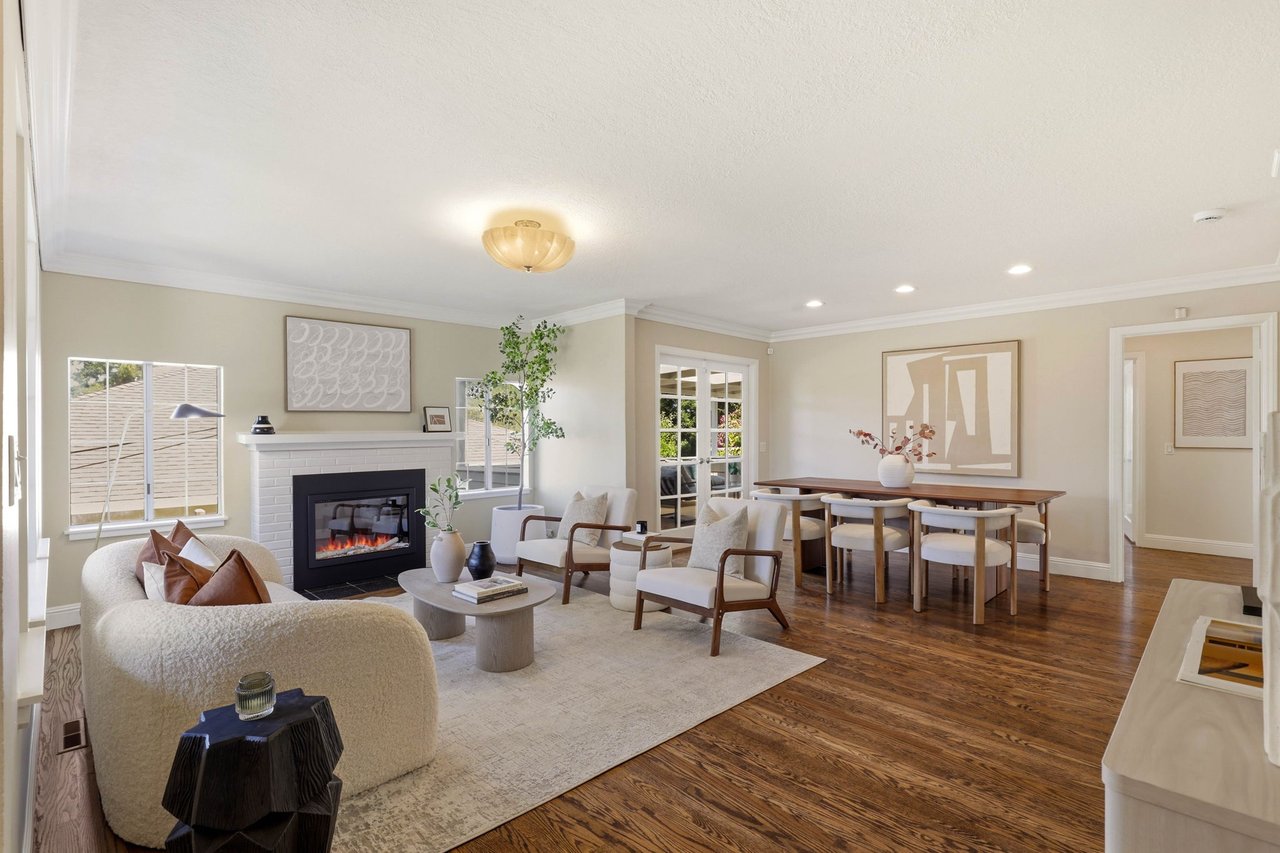
- Prepare the property thoughtfully. I always tell sellers that thoughtful staging drives more top offers than almost anything else you can do to a home, and that's just as true for an inherited property as it is for a primary-residence sale. An estate home that's been prepared and presented well commands a meaningfully stronger price.
- Coordinate with the estate attorney and tax advisor before listing. The real estate agent's job is to maximize the sale price and manage the transaction. The attorney's and tax advisor's job is to protect the estate's legal and financial position. These roles work together, not in sequence.
In an estate or trust sale, the right guidance up front protects the family legacy and removes a huge amount of stress. That's not a platitude, it's the difference between a family that closes on time with clarity and one that spends months in limbo because a title issue or authority question wasn't resolved before the property hit the market.
Sale Type | Court Confirmation Required? | Key Document | Primary Complexity |
|---|---|---|---|
Trust Sale (Successor Trustee) | Generally No | Certification of Trust | Confirming trustee authority and trust status |
Probate Sale (Full Authority) | Generally No | Letters Testamentary / Letters of Administration | Verifying full vs. limited authority in probate order |
Probate Sale (Limited Authority) | Yes, in most cases | Court Order + Notice of Proposed Action | Court confirmation hearing adds timeline and process risk |
Intestate (No Will, No Trust) | Depends on administration | Probate appointment order | Administrator must be appointed before any sale can proceed |
Every situation is different, and the only way to know which track applies to your family's property is to review the actual documents and recorded history with someone who knows this process. That's exactly the kind of question I walk my clients through before we even list.
Frequently Asked Questions
Do I need probate to sell a house held in a trust in San Mateo County?
Generally, no. If the property is properly titled in the name of a living trust and the successor trustee has authority to sell under the trust instrument, the sale can proceed without court-supervised probate. Under California Probate Code §16200, trustees have broad powers to sell real property unless the trust restricts them. The title company will typically require a certification of trust to confirm that authority before insuring the transaction.
What's the difference between a trust sale and a probate sale?
A trust sale is conducted by a successor trustee acting under the authority of the trust document, it typically moves faster because court confirmation is usually not required. A probate sale involves a personal representative (executor or administrator) appointed by the court to manage an estate, and the process is more structured. Whether court confirmation is required in a probate sale depends on whether the personal representative has full or limited authority under California's Independent Administration of Estates Act, as outlined by the California Courts Self-Help Guide.
How does Proposition 19 affect inherited homes on the Peninsula?
Significantly. Since February 16, 2021, the parent-child property tax exclusion has been narrowed so that most inherited properties, including investment homes, rentals, and vacation properties, no longer carry the parent's low tax base. The exclusion now generally applies only to a primary residence that the inheriting child will also occupy as their primary residence, subject to value-cap rules. The California State Board of Equalization details the current rules. On the Peninsula, where median prices run well above $2 million in many cities, the property-tax difference between exclusion and full reassessment can be substantial, consult a tax advisor before deciding whether to keep or sell an inherited property.
Who can sign for an estate sale if the owner died without a trust?
When someone dies without a trust, the property passes through the probate estate. A personal representative, either an executor named in a will, or an administrator appointed by the court if there is no will, must be formally appointed through the San Mateo County Superior Court before they can sign listing or closing documents. The authority to sell real property flows from the probate order, and the scope of that authority (full vs. limited) affects whether court confirmation is needed. The California Courts Self-Help Guide explains the appointment process.
How long does a trust or estate sale usually take in San Mateo County?
A well-prepared trust sale can move on a timeline similar to a conventional sale, recent Zillow market data shows a median of 55 days on market in San Carlos, though individual properties vary by condition, access, and preparation. Probate sales under full authority can also close relatively efficiently once the property is ready. Limited-authority probate sales take longer because court confirmation adds notice periods and a hearing step. Title issues, occupancy complications, and delayed documentation are the most common sources of unexpected delays in any estate or trust transaction.
Protecting What Your Family Built
An estate or trust sale on the Peninsula is one of the highest-stakes transactions a family will ever navigate. The property is often the largest single asset in the estate, and the decisions made in the first few weeks, about title, authority, tax planning, and preparation, shape everything that follows. Getting it right means working with someone who understands both the real estate market and the legal framework around it.
With more than 40 years on the Peninsula and deep experience in probate and trust sales, I've guided families through every kind of situation this market can produce. When you're ready to talk through your family's property, call me at 650-595-5500 for a confidential, no-pressure conversation. There's no obligation, just clarity on what your next steps actually are.
Reach out to Alex Lehr at Guide Real Estate CA, 3,100+ homes sold, four decades of Peninsula expertise, and a proven track record with estate and trust transactions across San Mateo County.
Equal Housing Opportunity. Alex Lehr, CA DRE# 00867442, Guide Real Estate CA, (650) 595-5500, licensed by the California Department of Real Estate. This article is general information only and does not constitute legal, tax, or financial advice. Estate, trust, and probate transactions involve complex legal and tax considerations that vary by situation, confirm your specific circumstances with your attorney, tax advisor, lender, or escrow officer before making any decisions.